Your Mind Your Body
Place for the development of your mind, body, and most importantly – relationships

Patience Park
Owner and author at Your Mind Your Body

Start With Basics
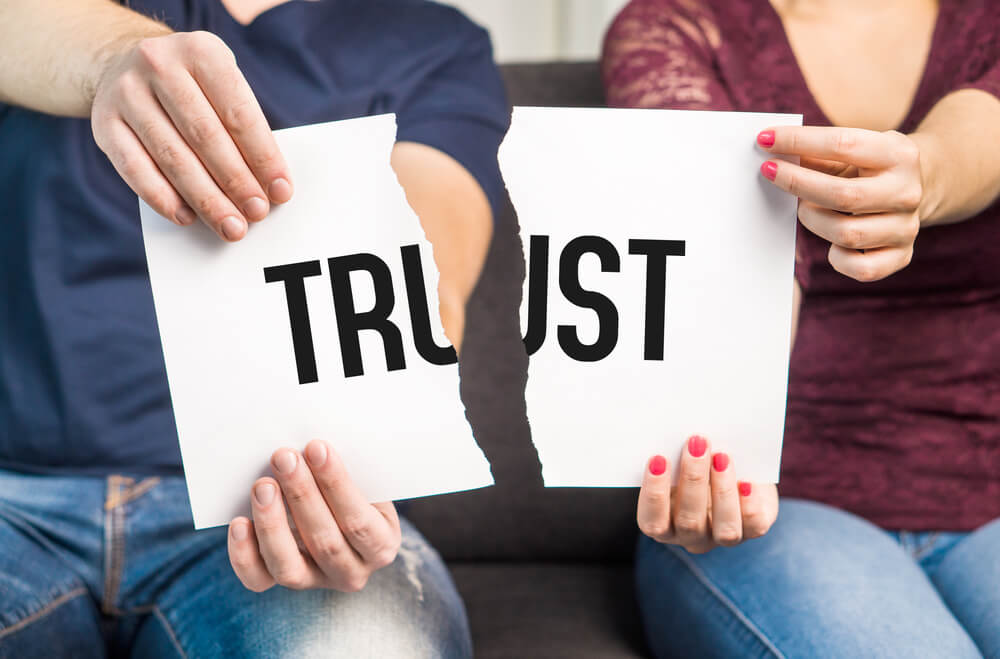
Signs of Cheating: Enhance the Quality of Your Relationships
If you have a sneaking suspicion that your partner is cheating on you, you’re not alone. In fact, according to a study by the University of Chicago, more than 50% of married couples experience infidelity at some point in their relationship. If you’re worried that your partner may be cheating on you, it’s important to look for signs of cheating. In this blog post, we will discuss 28 signs that most people miss when they…
The Most Popular Articles

Instagram Cheating Sings: How To Know If Your Partner Is Doing It
“Instagram cheating” is quite a new term in our dictionary. It describes a situation when someone uses the app to communicate with people they are attracted to, or to engage in flirtatious or even sexual activity, without their partner’s knowledge. This can be done by sending direct messages, flirting in the comments section, or sharing explicit photos…
Signs He’s Cheating On His Phone: How Not To Miss Them
It’s always a tough pill to swallow when you suspect your partner of cheating. And if you’re wondering whether or not your partner is cheating on you, one of the first places you might look is their phone…
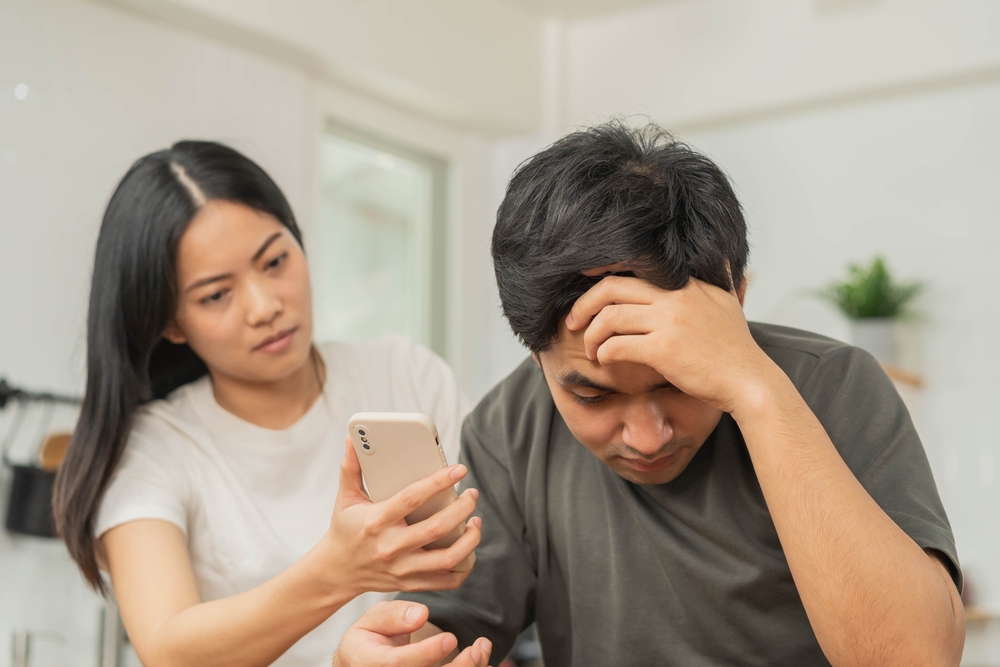

Exploring Cheating on Facebook Signs to Uncover Infidelity
Cheating might be one of the worst things that can happen to a relationship. It not only ruins the trust between partners but can also lead to a breakup. If you think your partner might be cheating on you, then it’s important to look for signs of infidelity…
How to Tell if Your Boyfriend has Slept with Someone Else: Signs to Look For
Adultery is one of the most difficult issues that a couple can face. It can destroy trust, break hearts, and tear families apart. If you’ve been the victim of adultery, you know how devastating it can be. You may feel like you’ll never be able to trust your partner again. You may feel like you can’t go on without them. But it is possible to overcome the pain of adultery and rebuild your relationship…